Artikel
Inside the 'clawdhub' Malicious Campaign: AI Agent Skills Drop Reverse Shells on OpenClaw Marketplace
Jetzt lesen
Artikel
Inside the 'clawdhub' Malicious Campaign: AI Agent Skills Drop Reverse Shells on OpenClaw Marketplace
Jetzt lesen


Artikel
From SKILL.md to Shell Access in Three Lines of Markdown: Threat Modeling Agent Skills
Jetzt lesenAnzeige 505 - 528 von 687 ressourcen
Cultivating a DevSecOps Culture: Real-world implementations
Throughout the continued journey of implementing and maturing a DevSecOps model, sharing successes and lessons learned can help everyone improve. The following are examples from organizations who have adopted DevSecOps and have worked to achieve higher levels of maturity.
DevSecOps Technology
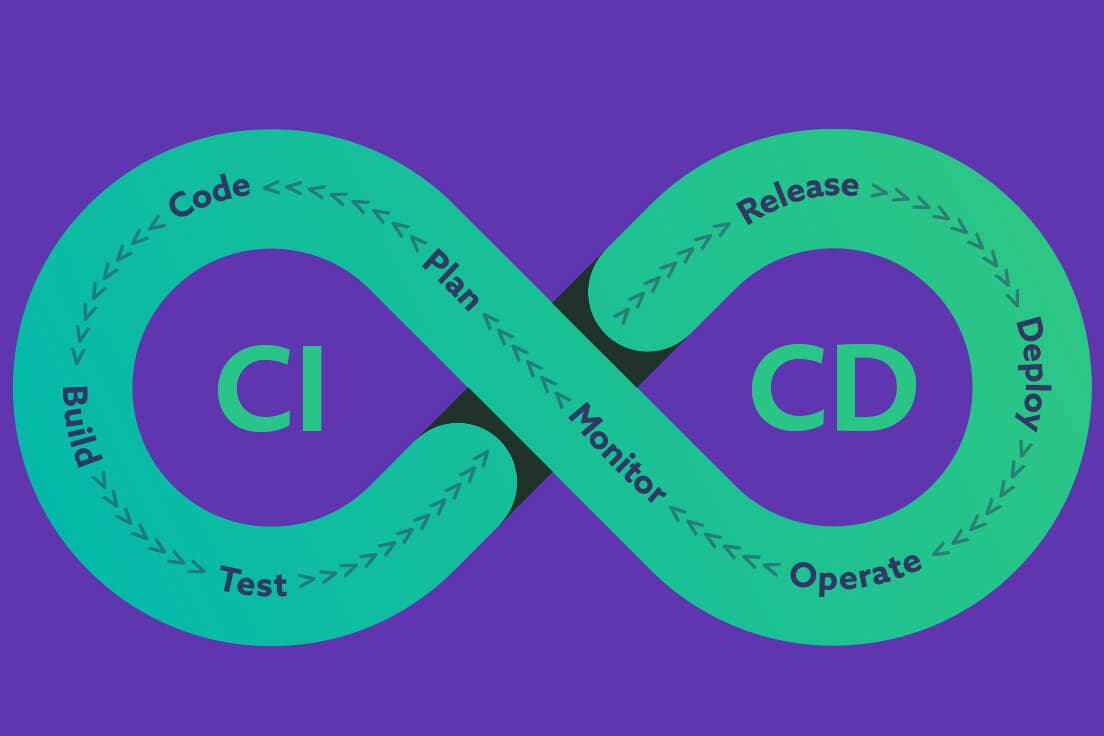
Technologies are what enable your people to properly execute DevSecOps processes. When most people think of DevSecOps and CI/CD, tooling is often top of mind. The ability to integrate and automate various development, security, and operations processes lies at the heart of a successful DevSecOps implementation. The following is a collection of technologies organizations must consider as they seek to implement a successful DevSecOps methodology within the enterprise.
DevSecOps Culture
Online media and marketing are filled with terms like DevSecOps methodology, DevSecOps model, or DevSecOps techniques. However, in order to be successful, organizations must understand that DevSecOps is first and foremost a culture. DevSecOps culture focuses on uniting the normally siloed roles of Development, Security, and Operations into a collaborative shared-responsibility paradigm. It seeks to break down barriers of finger pointing and deflection. Instead, it aims to build empathy and common goals among various disciplines within the organization.
Deep Dive: DevSecOps
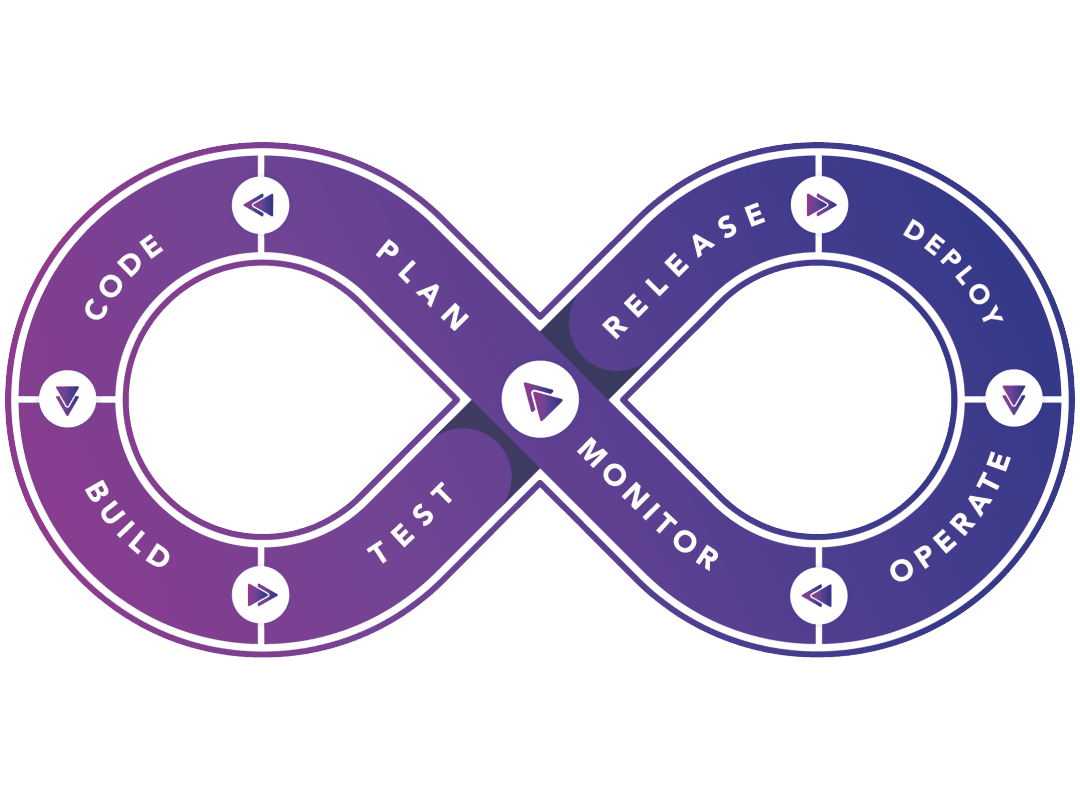
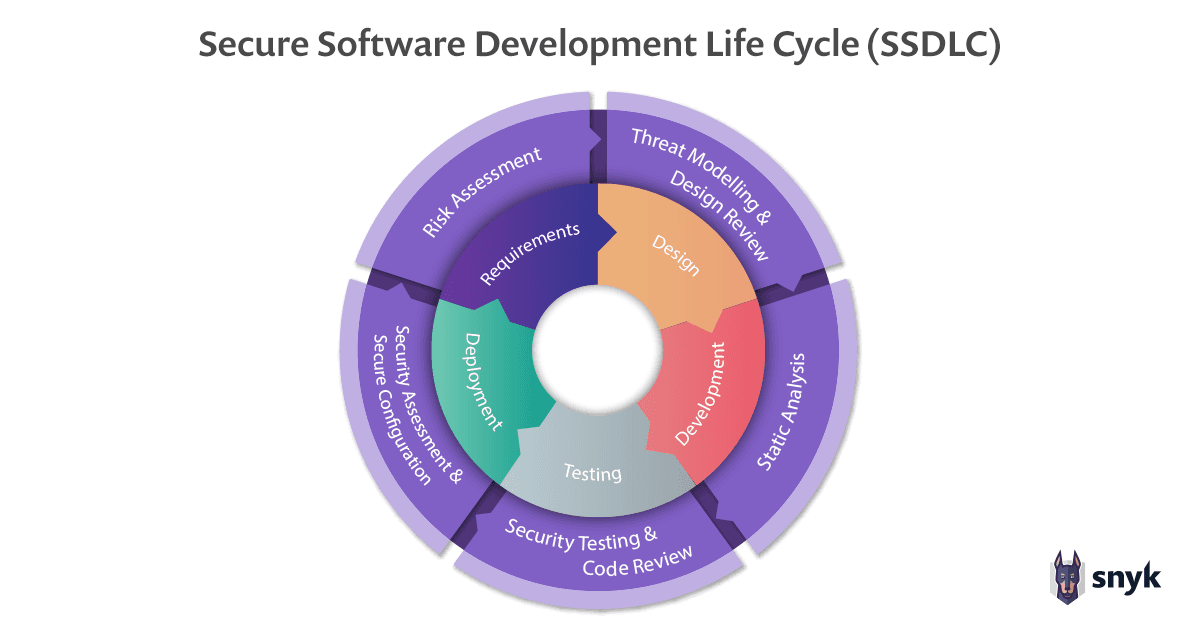
DevSecOps steht für eine Methodik der Software-Delivery, die das DevOps-Modell um Security-Prozesse als dritte Kernsäule ergänzt. Dem liegt die Prämisse zugrunde, Entwicklung und Operations kulturell zu verzahnen und Prozess- und Tooling-Strukturen zu etablieren, durch die sie bei der Auslieferung sicherer Software als Einheit agieren.